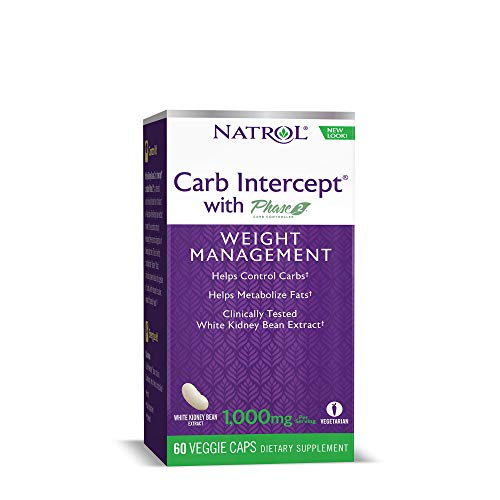
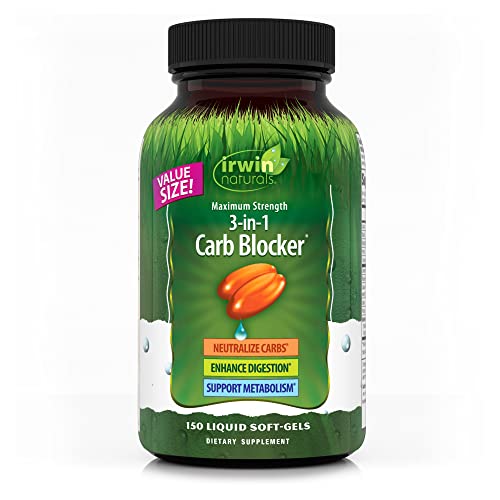
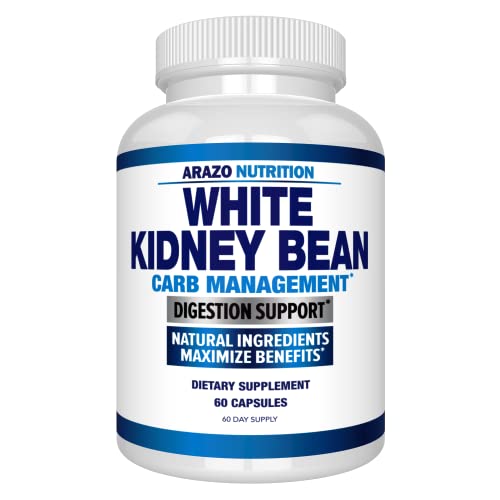

What Ingredients Are Used in Natural Carb Blockers?
The Most Common Plant-Based & Herbal Compounds That Help Block Carbs
Carb blockers have gained popularity as a natural solution to manage blood sugar, reduce calorie absorption, and support weight loss — especially for those who love pasta, bread, and rice but want to keep their carb intake in check. But what exactly is in a natural carb blocker? And how do these plant-based ingredients work?
In this article, we’ll explore the most effective and common natural ingredients used in carb-blocking supplements and how they help your body manage carbohydrates more efficiently — without harsh chemicals or stimulants.
What Are Carb Blockers?
Carb blockers, also known as starch blockers, are supplements that inhibit enzymes responsible for breaking down carbohydrates in the digestive system. This reduces the number of carbs that get absorbed into the bloodstream, helping to lower calorie intake and blood sugar spikes after meals.
Most natural carb blockers work by targeting alpha-amylase, the enzyme that converts starches into sugar.
Top Natural Ingredients in Carb Blockers
1. White Kidney Bean Extract (Phaseolus vulgaris)
How it works:
White kidney bean extract is the most well-researched natural carb blocker. It works by inhibiting alpha-amylase, preventing the breakdown of complex carbohydrates in the small intestine.
Benefits:
-
Reduces calorie absorption from starchy foods
-
Helps stabilize blood sugar after meals
-
Supports weight loss when used with a healthy diet
Dosage Tip: Often effective in doses of 500–1500 mg before carb-heavy meals.
2. Green Tea Extract (EGCG)
How it works:
Although better known as a fat burner, green tea extract (particularly its catechin EGCG) may slow down carbohydrate absorption by impacting glucose uptake in the intestines.
Benefits:
-
Provides antioxidant support
-
Mild carb-blocking properties
-
Can help reduce post-meal insulin spikes
Bonus: Often included in blends for its metabolism-boosting effect.
3. Gymnema Sylvestre
How it works:
An herb used in Ayurvedic medicine, Gymnema reduces the sweetness of sugar on the tongue and may also reduce glucose absorption in the intestines.
Benefits:
-
Helps control sugar cravings
-
Supports blood sugar balance
-
May reduce sugar intake naturally
Nickname: "Sugar Destroyer" due to its ability to dull sweet taste.
4. Mulberry Leaf Extract
How it works:
Mulberry leaves contain 1-deoxynojirimycin (DNJ), a compound that inhibits enzymes that digest carbs and sugar, particularly alpha-glucosidase and sucrase.
Benefits:
-
Helps manage post-meal blood sugar levels
-
May assist with insulin sensitivity
-
Supports healthy carbohydrate metabolism
5. Berberine (from plants like Goldenseal & Barberry)
How it works:
While not a direct carb blocker, berberine improves insulin sensitivity and reduces glucose production in the liver, helping control blood sugar spikes after carbohydrate intake.
Benefits:
-
Supports metabolic health
-
Lowers fasting blood sugar
-
Complements carb blocker formulas
Caution: Should be used under guidance if on diabetes medication.
6. Alpha-Lipoic Acid (ALA)
How it works:
ALA is an antioxidant that improves glucose uptake into cells and may reduce carbohydrate storage as fat. It's often paired with other carb blockers for metabolic balance.
Benefits:
-
Enhances insulin sensitivity
-
Supports energy production from carbs
-
Reduces oxidative stress
7. Salacia Reticulata
How it works:
An herb used in traditional medicine, Salacia inhibits alpha-glucosidase, the enzyme that breaks down sugars in the intestine.
Benefits:
-
Slows sugar absorption
-
Reduces post-meal blood sugar spikes
-
Helps reduce glycemic load of high-carb meals
Do Natural Carb Blockers Really Work?
Yes — when taken correctly, especially before high-carb meals, natural carb blockers like white kidney bean extract have shown to reduce the digestion and absorption of up to 66% of starches, according to clinical studies.
However, they work best when used as part of an overall healthy lifestyle — not as an excuse to overeat carbs.
Side Effects and Safety Tips
Most natural carb blockers are well-tolerated, but some users may experience:
-
Gas or bloating
-
Stomach cramps (usually temporary)
-
Loose stools (if overused)
To reduce side effects:
-
Start with a lower dose
-
Drink plenty of water
-
Take with meals, not on an empty stomach
Always check with your healthcare provider if you have diabetes, digestive issues, or take medications affecting blood sugar.
Conclusion: Use Smartly, Eat Mindfully
Natural carb blockers are a great tool for carb-conscious individuals who want to enjoy their favorite foods while staying on track with health goals. When combined with a balanced diet, movement, and portion control, ingredients like white kidney bean, Gymnema, and mulberry leaf can help reduce carb absorption — and cravings.